Subtitled by Strangers: The Volunteer Crews Saving Shows American Streamers Won't Touch
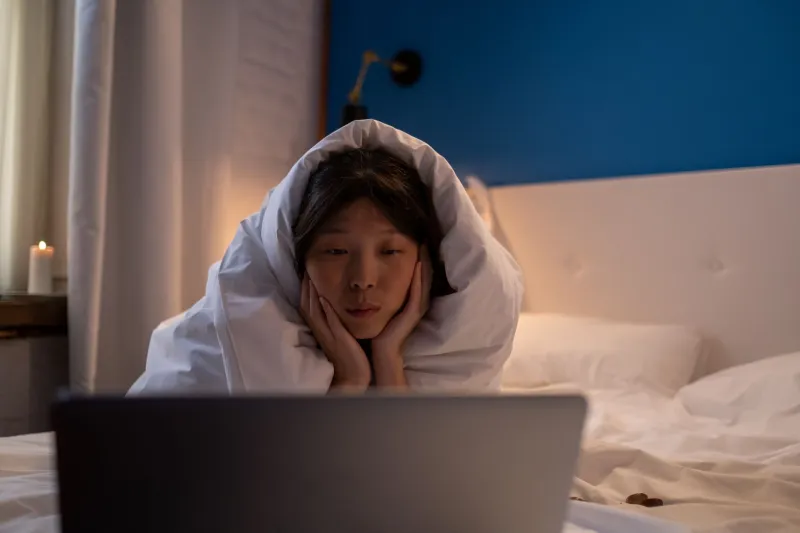
It's 2 a.m. in a suburb outside Columbus, Ohio, and a woman who works in hospital billing by day is syncing subtitles to a Korean thriller that no American platform has ever carried. She's on episode six of fourteen. The raw video came from a friend in Seoul who recorded it off broadcast, and by the weekend, her translation will be the only English version of the show that exists anywhere.
She asked to go by her handle, Miseon, because — as she puts it — "the lawyers don't really distinguish between the guy ripping the file and the person timing the subtitles."
The Licensing Gap Nobody Talks About
Here's the uncomfortable math of modern streaming: the majority of television made outside the English-speaking world never gets a legal US release. Netflix and Max cherry-pick the breakout hits — Squid Game, Dark, the occasional reality phenomenon — but the long tail of international TV, the procedurals and family dramas and cult sci-fi from Brazil, Turkey, Poland, the Philippines, simply doesn't fit the algorithm.
And when a platform does license a show and later drops it, the subtitles go with it. Not the video files, necessarily — those often still circulate — but the carefully localized dialogue, the typesetting, the cultural footnotes. That work was contracted, paid for, and then effectively deleted from the American market.
Fans noticed. And fans, being fans, started building their own supply chain.
How the Pipeline Actually Works
Talk to enough people in these communities and a rough division of labor emerges, one that looks suspiciously like a small television production company with zero budget and no office.
First, someone sources the raw video. That might mean a digital capture from a regional broadcaster, a purchase from a foreign storefront, or — more controversially — a rip from a streaming service in another country, sometimes using a VPN and a burner account.
Then the translators take over. These are often heritage speakers — second-generation Americans who grew up with the language at home — or self-taught learners good enough to catch the jokes the official translators miss. Timing, or "typesetting," comes next: hundreds of hours syncing text to frames, styling signs and on-screen text, fixing overlapping dialogue.
"The official subs for the shows that do get licensed are often machine-translated now," Miseon says. "We joke that we're the quality control department for an industry that doesn't know we exist."
The finished episodes — muxed or distributed as subtitle files paired with a video source — spread through a familiar patchwork: private trackers, Discord servers, niche forums, and the occasional public release that explodes on Reddit and vanishes from it just as fast.
The Gray Zone, Acknowledged
Let's be honest about the legal reality: unauthorized distribution of copyrighted video is infringement, full stop. Fan subtitling doesn't get a magic exemption because it's nonprofit, and rights holders have occasionally sent takedowns — usually targeting the rippers, rarely the translators.
But there's a reason this ecosystem persists with a kind of tacit tolerance. Studios in Japan and Korea have, in several documented cases, quietly benefited from fan-subs building the Western audience that later justified an official license. The show nobody in Burbank had heard of in 2021 becomes a licensing target in 2024 because a fan translation gave it an American following.
Some fans even describe their work as a form of triage. "If a streamer picks it up officially, great — we stop," one typesetter told me. "We're a placeholder, not a replacement. The problem is when there's no official anything, and then we're not taking sales from anyone."
When the Mirror Becomes the Master Copy
The stakes got higher as streaming consolidation accelerated. Shows that were legally streamable in the US three years ago have evaporated in write-offs and tax write-down strategies, pulled from platforms not because anyone stopped wanting them, but because someone upstairs decided the hosting fees weren't worth it.
In those cases, the fan copies stop being bootlegs and start being the only copy accessible to American viewers — subtitles, video quality, and all. Archives maintained by volunteers have become, functionally, the foreign television section of the American cultural record.
That's a strange position for work done by people who can't put it on a résumé. Ask Miseon why she does it, and she laughs.
"Same reason everybody does. Somebody translated a show for me in 2014 and I've been paying it back ever since. Also, nobody else was going to do it. That's kind of the whole pitch."
What Comes Next
There's a real tension ahead. AI translation is getting good enough that studios can localize cheaply, which could shrink the gap fan communities fill — or flood the market with soulless machine subs that make fan work look better by comparison. Meanwhile, enforcement pressure on trackers and file-hosting sites keeps ticking upward.
But the communities are resilient precisely because they're decentralized and motivated by something other than money. As long as American audiences keep falling for shows their own streamers won't carry, someone, somewhere, will be awake at 2 a.m. syncing a subtitle track.
The next season of your favorite foreign drama may already exist. It's just not on any menu you can subscribe to.