Read the Comments Before You Download: The Unpaid Inspectors of Public Trackers

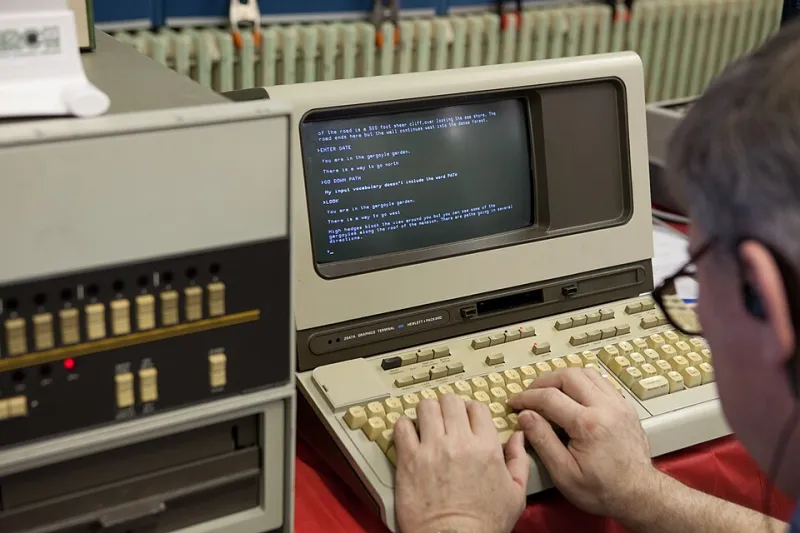
Photo: User:Bluemoose, CC BY-SA 3.0, via Wikimedia Commons
There's a ritual every seasoned torrent user knows. You find the file. You check the seeders. And then — before you click download — you scroll down to the comments.
That little text box underneath a public tracker upload might be the most underrated quality-control system on the internet. No moderators on payroll. No community guidelines pinned to the top. No verification badges. Just strangers, leaving notes for other strangers, and somehow it works better than most corporate review platforms.
The 'Password Is...' Warning: Folk Wisdom in Text Form
Every veteran has a story. You grab what looks like a clean rip of a movie, extract it, and bam — it's password-protected. The password, it turns out, is buried in a survey link, an ad-riddled "keygen," or doesn't exist at all. Congratulations, you've been baited.
The comment section is where this gets policed. Someone who got burned comes back and posts: "Password is hunter2, thanks to whoever figured it out." Or more often: "FAKE. Password-protected garbage, don't waste your time."
That second type of comment is folk heroism. Nobody pays for it. Nobody upvotes it into a hall of fame. It's just one person, mildly annoyed, spending ninety seconds to save ten thousand future downloaders the same headache. Multiply that by millions of uploads and you get an immune system that runs itself.
Peer Review, But With More Profanity
What makes tracker comments different from, say, Amazon reviews? Incentive structure — or more accurately, the lack of one.
Amazon reviewers get "Vine" status, free products, and the quiet possibility of affiliate glory. Reddit runs on karma, a currency people hoard like Beanie Babies. Tracker commenters get nothing. There's no streak to maintain, no profile to build. The upload itself is anonymous, and so is the feedback.
And yet the signal-to-noise ratio is often stunning. Comments routinely include:
- Codec and quality reports — "Video is 8/10, audio is a cam recording from the back row, you can hear someone's popcorn"
- File integrity checks — "Hashes match the scene release, this is clean"
- Malware warnings — "The .exe in here is NOT part of the game, delete it"
- Technical troubleshooting — "If it won't play, grab the codec pack mentioned in the sticky"
It's crowdsourced QA with a survival-of-the-fittest filter: comments that are wrong get corrected within hours, and comments that are useful get echoed by the next person who confirms them. Consensus builds fast because everyone checking the file has the exact same test environment.
The Fake-Hunters Nobody Hired
Spend enough time on public trackers and you start noticing the regulars — the anonymous users who show up in comment sections of brand-new uploads within hours of posting. They're not staff. There's no badge. They're just people who've decided that somebody needs to check whether this "4K HDR BluRay rip" is actually a 480p upscale with a Russian antivirus installer stapled to it.
Think about what a wild proposition this is. The most-trafficked file-sharing sites on earth, operating in a permanent legal gray zone, with zero customer service, stay functional largely because unpaid volunteers audit them in their spare time. Wikipedia gets the credit for proving anonymous collaboration can work, but torrent comments might be the grittier, funnier proof.
What Reddit and Amazon Could Learn From a Text Box
Here's the uncomfortable part for the big platforms: the tracker comment section solves problems that Reddit and Amazon still haven't.
Amazon drowns in review inflation. Paid reviews, swapped products ("this review is for the phone case, not the blender"), and star-rating theater. Tracker comments don't have stars at all — they have receipts. "Checked with MediaInfo, here are the specs." Specificity is the currency, and vagueness gets called out.
Reddit optimizes for engagement, which means outrage rises and careful technical detail sinks. On a tracker, "this file is fake" isn't a hot take — it's a utility. The comment exists for one purpose: to inform the next person. No algorithm is deciding whether outrage performs better than accuracy.
The lesson isn't that anonymity is magic. It's that purpose-built feedback beats gamified feedback. When the only reason to comment is to genuinely help (or warn) the next person, the signal survives. When comments become content — something to farm, rank, and monetize — the signal drowns.
The System Isn't Perfect, Just Rare
Let's not romanticize it. Public tracker comments have their share of trolls, seeded arguments about which release group is "best," and the eternal flamewar over whether someone should have just waited for a proper encode. Spam bots do slip through. Bad advice does get posted.
But the correction mechanism is fast and brutal in the best way. Post something wrong, and three people will explain why in increasing degrees of exasperation. There's no downvote-to-oblivion; there's something better — direct, specific rebuttal from people who actually checked.
It's a small, weird, resilient corner of internet culture: a peer review system with no journal, no editors, and no rules, held together by people who simply refuse to let the next downloader get burned. The next time you breeze past a comment that saves you from a fake, pour one out for the anonymous inspector who wrote it. They didn't have to. They did it anyway.