The Garage Datacenter Is Here: How Ordinary Americans Fell in Love With Owning Their Files Again
Somewhere in suburban Ohio, a retired high school teacher named Linda is up on a step ladder, running an Ethernet cable through her garage ceiling. She's not wiring a security system. She's building a datacenter.
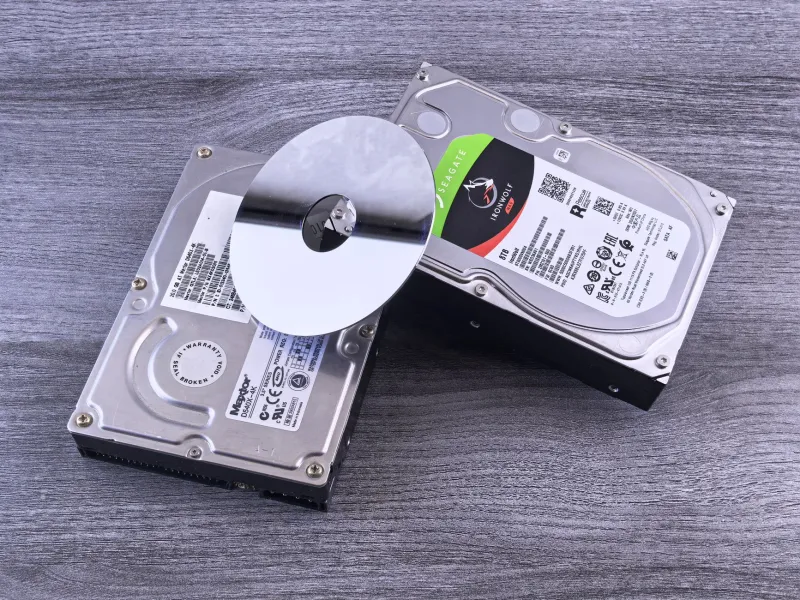
It's a modest one — a four-bay NAS enclosure, a couple of refurbished hard drives, a Raspberry Pi she bought after watching three YouTube tutorials. But it holds every photo she's taken since 1998, her late husband's digitized VHS tapes, and a scanned archive of family letters going back to the 1940s. Nobody owns that data but her.
Linda isn't an outlier anymore. She's part of a quiet movement of everyday Americans who decided that renting their digital lives back from a handful of companies was getting old.
The Subscription Era Broke Something
For about a decade, the pitch was simple: stop storing things. Let Google hold your photos, let Dropbox hold your documents, let Netflix hold your movies. It worked — right up until it didn't.
Prices crept up. Free tiers shrank. Google Photos ended its unlimited option in 2021, and suddenly a lifetime of family memories came with a monthly invoice. Streaming services started deleting shows people loved, sometimes within weeks of licensing deals expiring. Entire purchases on digital storefronts have vanished when licenses lapsed.
The lesson stuck: access isn't ownership, and the cloud is really just somebody else's computer — somebody who can change the terms whenever they want.
So Americans started buying hard drives again. Lots of them.
What the Boom Looks Like
The numbers back up the anecdote. NAS makers like Synology, QNAP, and UGREEN have all reported strong growth in consumer sales, and the secondhand market for enterprise drives — those big, loud units pulled from decommissioned servers — has become its own subculture. Check any deal-hunting forum and you'll find people posting drive prices like stock tickers.
The crowd has changed, too. What used to be a hobby for sysadmins and hardcore enthusiasts now includes:
- Retirees digitizing decades of photos and home movies before the originals degrade
- Gamers who've watched install sizes balloon past 150GB and ran out of patience (and space)
- New parents who want one private place for every video of their kid, not scattered across six apps
- Cord-cutters building personal media libraries that no licensing dispute can touch
Reddit's self-hosting and data hoarding communities have swelled accordingly, full of first-timers asking which drives to buy and veterans cheerfully arguing about RAID configurations.
What It Actually Costs
Here's the part the marketing glosses over: the sticker price is just the beginning. But it's also lower than most people assume.
A realistic entry-level build in 2025 looks something like this:
- Two-bay NAS enclosure: $150–$300 (Synology, Terramaster, or a used office PC running free software like TrueNAS or OpenMediaVault)
- Two 8TB drives: around $250–$300, depending on sales
- UPS battery backup: $60–$80, optional but smart
- Total: roughly $500–$700
Compare that to the alternative. A family paying $10 a month for cloud storage over ten years spends $1,200 — and ends up with nothing they can hold. The DIY route costs more upfront, then almost nothing, and the drives sit in your own house where no terms-of-service update can reach them.
The even cheaper path is the used office PC route: a $100 Dell OptiPlex, free NAS software, and a couple of drives gets you fully operational. It's ugly. It works. There's a certain pride in that.
Owning Your Stuff Is Having a Moment
There's something else underneath this trend, harder to quantify but easy to feel. In an era where everything is a subscription — cars charging monthly for heated seats, software that won't work offline, digital purchases that evaporate — keeping your own copy of your own files has taken on a small political flavor.
No one's waving flags over a RAID array. But ask people why they built their setup and the answers rhyme: I got tired of renting what's mine. I don't trust a company to keep my family photos. I want one thing in my life that nobody can take away.
That's not extremism. That's just the same instinct that fills American garages with tools, freezers, and fishing gear — a belief in having your own stuff, on your own terms. The hard drive is just the newest item on the shelf.
Getting Started Without Getting Overwhelmed
If the idea's been nagging at you, the advice from the community is remarkably consistent:
- Start small. Two drives in mirrored mode beats a half-finished twelve-bay fantasy.
- Follow the 3-2-1 rule eventually: three copies, two different media, one off-site. A drive at a relative's house counts.
- Buy the drives on sale. Prices swing wildly, and patience saves real money.
- Don't chase perfect. A slightly messy backup you actually maintain beats a flawless system you never finish.
The beauty of the hobby is that it grows with you. Linda started with photos. Now she backs up her sister's small business records too, and she's talking about setting up a backup for the neighbors down the street.
The mini datacenter in the garage isn't coming for the cloud. But it's quietly making sure that when the next subscription price hike or service shutdown rolls around, a growing number of Americans won't care. Their stuff is already home.