Quiet Racks, Happy Neighbors: How to Run a Home Server When Your HOA Has Other Plans

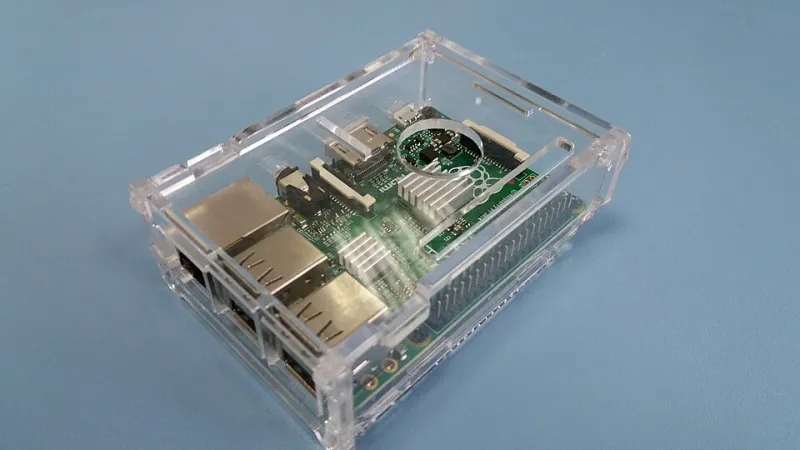
Photo by Photo by Zach Kessinger on Unsplash on Unsplash
The garage datacenter movement was supposed to be a quiet revolution. And then somebody's HOA got involved.
Across the US, more people than ever are running gear at home — a repurposed Dell tower in the closet, a NAS humming in the basement, maybe a mini rack if you're feeling ambitious. It's cheap, it's legal, and it feels good to own your files again. But there's a wrinkle nobody puts in the YouTube setup tour: a huge chunk of Americans live under somebody else's rules. HOAs. Apartment leases. Condo boards. City ordinances written before anyone imagined a 42U rack in a cul-de-sac.
If you're one of the roughly 75 million Americans living under an HOA, here's what you need to know before the board sends a letter.
What the Rulebook Actually Says (and Doesn't)
Here's the good news up front: almost no HOA or lease explicitly bans "servers." What they ban is everything that looks like a problem.
Typical trouble spots include:
- Noise. Most HOA covenants include a general nuisance clause, and many municipalities enforce quiet hours — often 10 PM to 7 AM. A rack of spinning drives and a server-grade fan can hit 45–60 dB up close, which is fine in a basement and a war crime through a shared wall.
- Exterior equipment. Satellite dish protections under FCC rules cover video antennas, but they do not cover a rooftop mesh node or a bolted-on external antenna array for your ham radio hobby. If it goes outside and it's visible, expect scrutiny.
- Heat and power. Leases often prohibit "unusual use of utilities." A rig pulling 400 watts around the clock won't trip that clause, but a window AC unit cooling your closet server room might.
- Shared bandwidth. In condos and apartments with bulk internet, some building rules frown on anything that "degrades service for other residents." Your 24/7 seeding habit can raise eyebrows even when it's perfectly legal.
The takeaway: the fight is almost never about the server. It's about the symptoms.
War Stories From the Front Lines
Talk to homelabbers long enough and the stories repeat like a bad loop.
One Reddit user in suburban Phoenix reported an HOA complaint filed over a "humming noise" that turned out to be a garage-mounted NAS with a failing fan — a $12 fix, but only after two warning letters. In a Chicago high-rise, a tenant got a lease violation notice for a rack that "generated excessive heat" in a unit where the building controlled the HVAC billing. And in at least one Florida community, exterior antenna disputes have gone all the way to arbitration, with residents losing because their gear wasn't covered by federal OTA protections.
None of these people were doing anything illegal. That's the frustrating part. But HOAs don't need you to be wrong — they just need a complaint and a bylaw.
The Art of the Invisible Homelab
So how do you run your gear without becoming agenda item seven at the next board meeting? A few battle-tested strategies:
Go internal. Everything inside your walls is your business. A closet-mounted setup with a solid door beats a garage rack with a window any day. If cooling is an issue, a quiet exhaust fan vented into existing attic space is usually fine; one vented out the siding is a flag.
Kill the noise at the source. Swap stock fans for Noctua or similar, put drives in an enclosure with damping, and use HDD standby where you can. A rack you can't hear from the next room is a rack nobody complains about.
Keep power boring. A server drawing steady, modest wattage looks like a desktop. A rig with a dedicated circuit, industrial UPS, and a window shaker looks like a business. Guess which one gets noticed.
Wire over wireless. External antennas and visible mesh nodes attract attention. Ethernet through your own walls doesn't.
When You Actually Need Permission — Get It in Writing
If you rent, read your lease for clauses about "business use," "utilities," or "equipment." Most don't prohibit a personal server, but if yours is vague, a short email to your landlord — "I run a small personal file server, low power, no noise" — creates a paper trail that protects you later.
For HOAs, the nuclear option is a variance or an architectural review request, useful only if you want visible equipment. The smarter play is usually to need nothing visible at all.
And if you're buying? Read the covenants before you close. Some communities are genuinely hostile to anything that smells like a datacenter. No rack is worth a five-year legal feud over a shed.
The Bigger Picture
There's something a little absurd about a country where you can own a truck, three grills, and an inflatable Christmas dinosaur, but a quiet little NAS requires diplomatic strategy. The home server revival is about self-reliance — owning your photos, your media, your backups instead of renting them back from a subscription. That instinct shouldn't require permission from a board of volunteers with a complaint hotline.
Until the rules catch up, the winning move is the same one file-sharers have always known: keep a low profile, be a good neighbor, and let the hum of your drives be the loudest thing anyone ever hears from you.
Your rack doesn't need to be seen. It just needs to run.